You don't have to choose between being modern and knowing where you come from.
There is a strange thing happening to a generation of Africans. We can spend hours speaking confidently in English on Zoom calls, write professional emails without thinking twice, argue on X, make TikToks, chat with friends using abbreviations and slang, and navigate an entirely digital world.
But ask some of us to have a proper conversation in the language our grandparents grew up speaking and suddenly we are searching for words.
"I understand it. I just can't speak it well."
That sentence is becoming increasingly common. And it isn't necessarily because young people don't care about their culture. Life has simply changed. School happens mostly in English in many countries. Corporate workplaces operate in English. Universities operate in English. Most of the internet is dominated by English and other major global languages. Our phones don't always recognize our local languages properly. The content recommended to us by algorithms rarely reflects the languages our grandparents speak.
So without making a conscious decision to abandon our languages, many of us are slowly using them less and less. And languages have a funny way of disappearing.
Not all at once. One conversation at a time.
You can understand a language and still lose it
This is probably one of the biggest misunderstandings about language preservation.
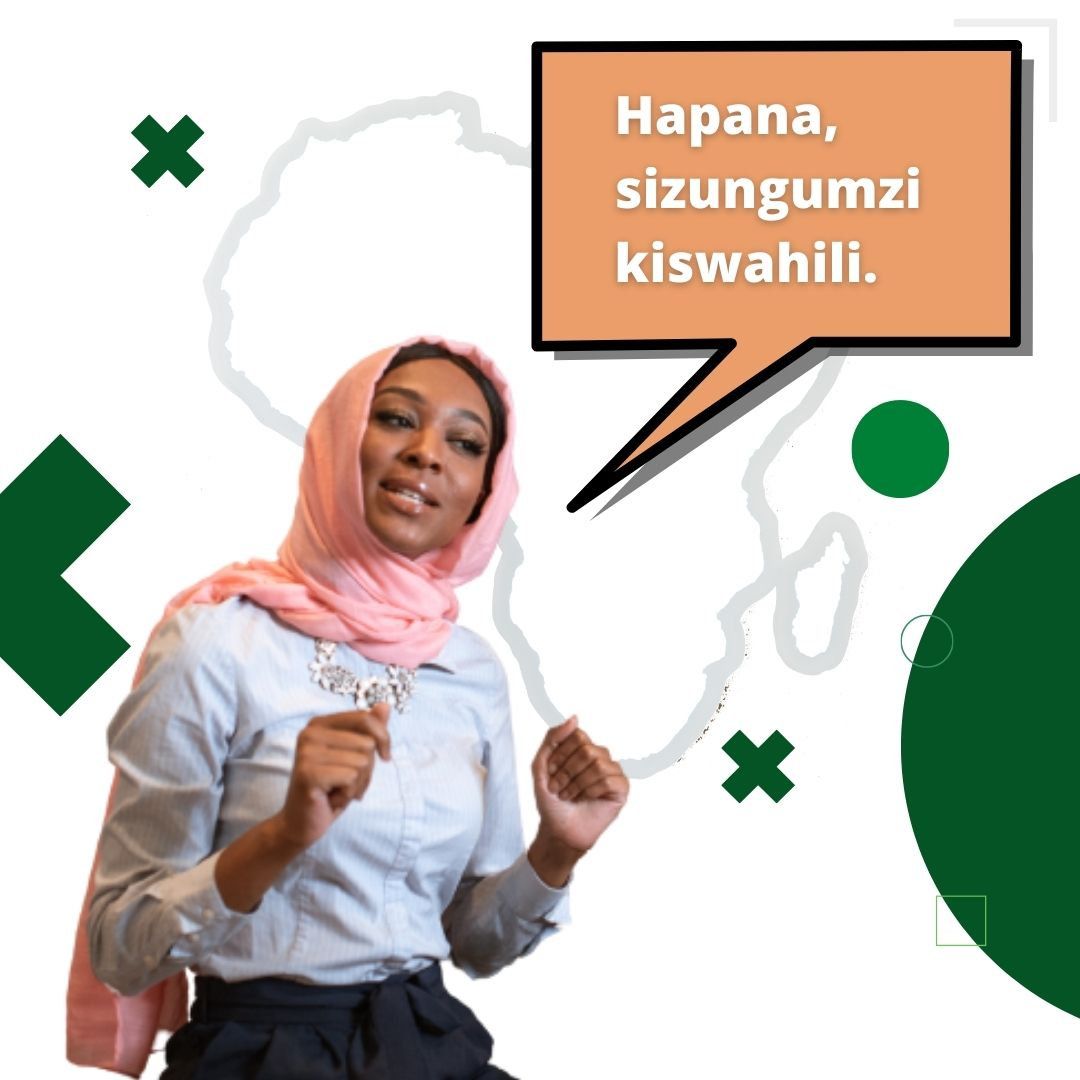
Being able to understand your mother tongue isn't necessarily the same as being able to speak it. You may understand everything your grandmother says in Twi, Ewe, Ga, Yoruba, Igbo, Hausa, Swahili, Zulu or another local language. But when it's your turn to respond, English comes out automatically.
At first, nobody worries. You're still connected to the language. Then you start using fewer words. You forget expressions. You struggle with proverbs. You don't know how to describe certain things without switching to English.
Eventually, conversations become a mixture of the local language and English. Then the next generation understands even less. That is how language loss can happen quietly. Not because anyone declared that the language was useless.
Simply because another language became easier to use every day.
Your native language carries things a translation cannot fully replace
A language isn't just a collection of words. It carries humour, respect, history, family relationships, ways of describing emotions, traditional knowledge, proverbs, songs, names, stories, and sometimes, entire ways of seeing the world.
Think about the difference between hearing a proverb from your grandmother and reading its English translation online. You might understand the literal meaning.
But something is missing. The rhythm. The humour. The cultural context. The reason that particular proverb was used at that particular moment.
This is why losing a language isn't simply losing vocabulary. You can lose access to parts of your own cultural memory.
But preserving your culture doesn't mean rejecting modern life
This is where conversations about culture sometimes go wrong.
Someone suggests that young Africans should preserve their heritage, and suddenly it sounds like they are being told to throw away their smartphones, stop listening to international music and return to some imagined traditional lifestyle.
That isn't realistic.
You don't have to reject Afrobeats.
You don't have to stop using Instagram.
You don't have to abandon English.
You don't have to dress traditionally every day.
You don't have to pretend the internet doesn't exist.
The goal is not to live in the past. The goal is to carry something from the past into the future.
Your culture should be able to exist alongside your modern identity. You can be a software engineer who speaks three languages. A fashion creator who uses local proverbs. A university student who makes TikToks in your mother tongue. A corporate professional who still calls your grandmother every week.
Being modern doesn't require becoming culturally empty.
Start with your family
You don't need a cultural preservation project. Start with the people around you. Call your parents. Call your grandparents if you're fortunate enough to still have them. Ask them questions.
Not just:
"How are you?"
Ask:
"Where did our family come from?"
"What was this town like when you were growing up?"
"Where did our family name come from?"
"What does my name actually mean?"
"What traditions did your parents teach you?"
"What was life like when you were my age?"
"What songs did you grow up singing?"
"What proverbs did your parents always use?"
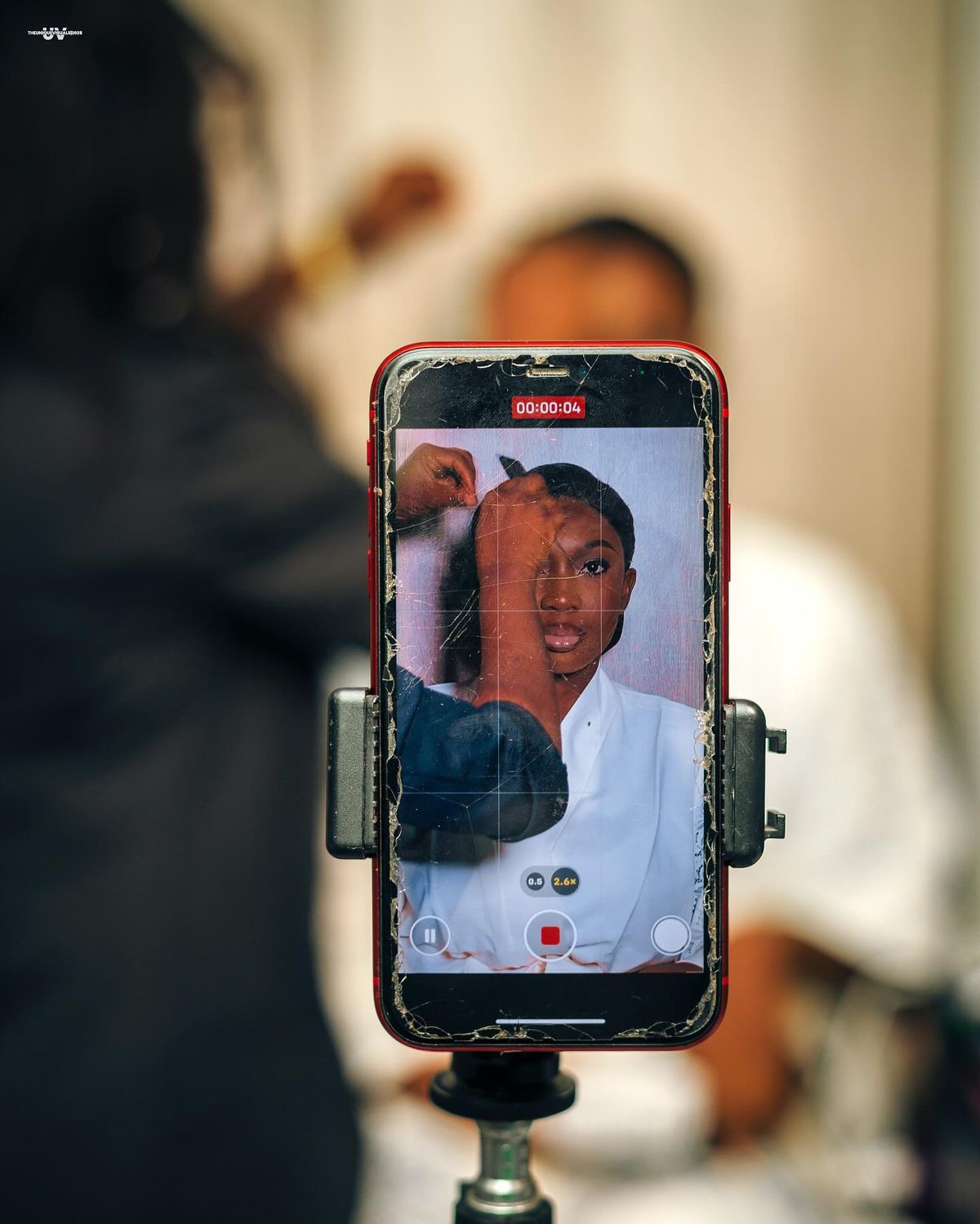
You might be surprised by how much history is sitting inside ordinary family conversations. And record it. With permission, of course. Your phone is not only a device for consuming content. It can become your family's archive.
Record your grandparents while you still can
This deserves its own emphasis.
People often wait until a relative dies before realizing how much knowledge disappeared with them. That auntie who knew every family story. That grandfather who knew the history of the village. That grandmother who could explain exactly why your family does certain things. Once they are gone, Google may not have the answer. Record their stories.
Ask them to tell you where the family came from.
Ask them to explain traditional practices.
Ask them to teach you words you don't know.
Ask them to sing old songs.
Ask them to explain the meaning of family names.
Save the recordings somewhere safe. Back them up. Give copies to relatives. You aren't just preserving memories. You're preserving primary-source history.
Use your language even when you don't speak it perfectly
This is where many young people get stuck. They are embarrassed.
"My Twi isn't good."
"My Ewe is terrible."
"I don't know how to pronounce it properly."
So they don't speak it. And because they don't speak it, they never improve. You don't need to wait until you're fluent. Start badly. Speak with your parents. Reply to your grandmother in your local language, even if you have to mix in English.
Ask someone to correct you. Learn one new word every day. If you don't know a word, ask. There is no shame in being a learner of your own language. In fact, there should be more shame in allowing embarrassment to permanently separate you from something that belongs to you.
Turn your phone into a language-learning tool
Your phone can either accelerate cultural loss or help prevent it. Use it intentionally.
- Change some of your personal digital habits.
- Follow creators who speak your language.
- Watch interviews in your local language.
- Listen to local-language music and podcasts.
- Search for dictionaries and language-learning resources.
- Save new words in your notes.
- Create a WhatsApp group with family members where you occasionally communicate in the language.
- Send voice notes instead of always typing.
Even better, create a personal rule:
One conversation a day in my native language. It could be five minutes. That's enough to start.
Put your language on social media
This is one of the easiest ways to make a language feel relevant to your generation.
- Post a proverb.
- Explain its meaning.
- Tell a funny story in your local language.
- Make a short video teaching people an expression.
- Translate a popular phrase.
- Share an old family saying.
- Create memes.
- Tell stories.
- Review books or movies in your language.
- Interview an older person.
- Teach your followers words they might have forgotten.
You don't have to become a cultural influencer. Even a simple WhatsApp status saying:
"Today's word: \\\."_
can make someone curious. And someone else's curiosity can become a reason for them to ask their parents what the word means. That's how languages stay alive. They have to be used, not merely respected.
Don't let the internet decide what is worth keeping
Algorithms are very good at showing us what gets attention. They are not necessarily good at showing us what matters to our identity. If you only consume what the algorithm pushes, your digital world can slowly become disconnected from your physical one.
You might know every trending American phrase but struggle to understand your grandfather. You might know the lyrics to international songs but not know the traditional songs your parents grew up with. You might know the latest global meme but have never heard the proverb your great-grandmother used. There is nothing wrong with global culture. The danger is when global culture becomes the only culture you consume. Your feed should have room for both.
Preserve the little things too
Cultural heritage isn't only about major festivals and traditional ceremonies. Sometimes it's the ordinary things.
- The recipe your mother makes without measuring anything.
- The way your family celebrates birthdays.
- The story behind your surname.
- The name your grandparents used for a particular place.
- A childhood game.
- A traditional song.
- A proverb.
- A particular greeting.
- The way elders are addressed.
- A family joke that nobody outside the family understands.
These things seem small. Until they disappear. Then you realize they were pieces of a much bigger picture.
Create a digital family archive
This could become one of the most meaningful things you do. Create a private Google Drive folder, cloud archive or family group where you keep:
- Old photographs
- Family stories
- Audio recordings
- Important documents
- Family trees
- Traditional recipes
- Proverbs
- Songs
- Meanings of names
- Stories about significant relatives
- Videos of family ceremonies
- Information about your hometown or ancestral community
Label everything properly. Add dates and names where possible. Don't assume everyone will remember who is in an old photograph. Future generations won't know. You can even create a simple family document titled: "Our Family Story."
It doesn't need to be perfect. It just needs to exist.
Teach children before they become adults
If you have younger siblings, children or nieces and nephews, don't wait until they are teenagers to start teaching them their heritage.
Use stories. Teach them greetings, family names, songs, simple phrases. Tell them stories about where their family came from. Cook traditional food together. Take them to cultural events. Let them hear older relatives speaking.
And don't turn the language into punishment.
If the only time a child hears their native language is when an angry parent is shouting at them, they may associate the language with correction rather than connection.
Make it enjoyable, make it normal and make it part of everyday life.
Businesses and creators have a role too
There is also a much bigger opportunity here.
African languages need to become more visible in the digital economy. Creators can make content in local languages. Developers can build better language tools. Publishers can release more books. Musicians can create more local-language content. Schools can make language learning more engaging. Tech companies can improve speech recognition, translation and keyboard support for African languages. Media organizations can produce more content in local languages.
The more useful a language becomes online, the more likely young people are to keep using it. A language cannot survive simply because elders tell young people that they should preserve it. It has to remain useful.
Your language doesn't have to compete with English
English has opened enormous doors for many Africans. It connects us across countries. It gives people access to global education, business and technology. There is no reason to throw that away. The better goal is multilingualism.
Speak English. Speak your local language. Learn another African language if you can. Learn French, Arabic, Portuguese or another international language if your circumstances require it.
The more languages you know, the more worlds you can enter. And there is something beautiful about being able to move between those worlds without losing yourself.
Start with one small habit
You don't have to suddenly become fluent. You don't have to memorize 500 proverbs. You don't have to build a family archive this weekend.
Start with one thing. Speak your language with your parents for ten minutes every Sunday. Learn one proverb each week. Record one family story each month. Teach one younger person a word. Follow five creators who make content in your language. Save old family photographs. Ask your grandparents questions while you still can.
These things seem almost too small to matter. But culture is rarely preserved through one dramatic act.
It survives through repetition. That is how something that could have disappeared survives another generation.
You don't have to choose between home and the world
The modern African identity is complicated. We live in cities our grandparents could barely have imagined.
We work with people thousands of kilometres away. We consume content from every corner of the world. We speak languages inherited through colonial history alongside our indigenous languages. We are African and global at the same time.
There is nothing wrong with that complexity. But in a world where algorithms constantly tell us what to watch, what to listen to, what to say and even what to value, it is worth deliberately keeping some things that did not come from an algorithm.
Your language. Your stories. Your family's history. Your proverbs. Your songs. Your memories.
Because one day, someone younger than you may ask:
"Where did we come from?"
And the answer shouldn't be lost simply because nobody thought to save it.
You don't preserve culture by refusing to move forward. You preserve it by making sure something meaningful comes with you.
Sources & Methodology
Delviews article pages include source notes, correction links and editorial context so readers can evaluate trust at a glance.
Spotted an error? Submit a correction